

Floods in East Africa: Cyclone Hidaya and Beyond
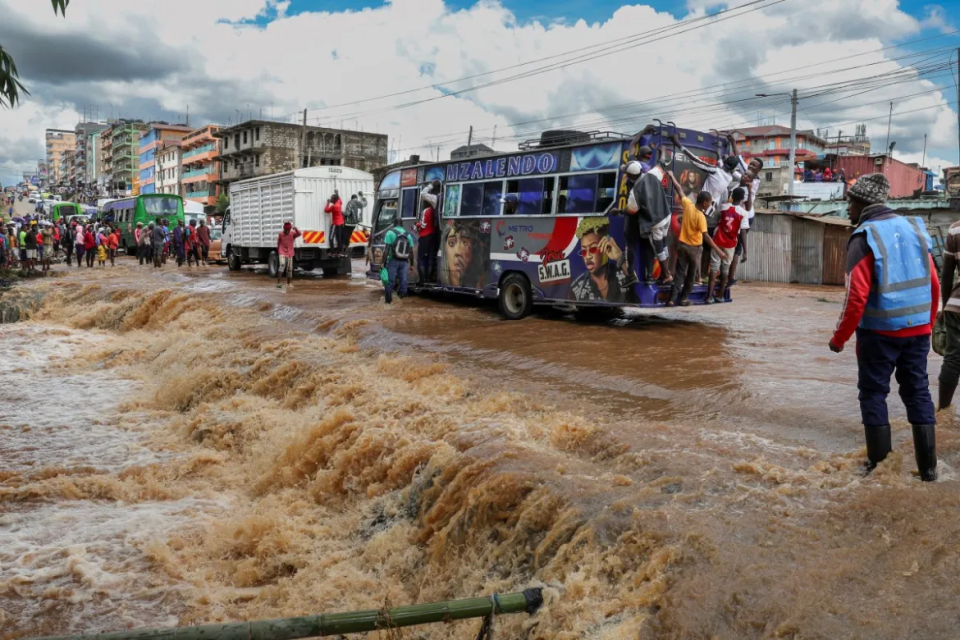
The Eastern Africa region, encompassing nations such as Burundi, Kenya, Somalia, Rwanda, and Tanzania, has been reeling under the relentless assault of devastating floods triggered by the heavy rains of the long rainy season, which spans from March to May. These deluges, both riverine and flash floods, have wrought havoc, leading to loss of lives, widespread displacement, and significant destruction. As of May 3, 2024, the region was bracing for the added threat of Cyclone Hidaya, expected to impact the coastal areas of Kenya and Tanzania. Understanding the difference between El Niño and the MAM (March-April-May) rains is crucial. El Niño is a climatic event marked by warmer-than-average sea surface temperatures in the central and eastern tropical Pacific Ocean, often resulting in increased rainfall in various regions, including East Africa. Conversely, the MAM rains are part of the region’s regular seasonal cycle, occurring annually during these specific months. While both phenomena contribute to heightened rainfall, the MAM rains are independent of El Niño events, underscoring the complexity of predicting and managing flood risks.
Climate change significantly magnifies the severity and frequency of extreme weather events, including floods. Rising global temperatures increase atmospheric moisture, leading to intensified rainfall patterns. This escalation disproportionately impacts vulnerable communities across East Africa, exacerbating the challenges faced by the region. According to Human Rights Watch, working-class neighborhoods and impoverished areas are particularly hard-hit due to their inadequate infrastructure and sanitation facilities, which are ill-equipped to handle the deluge. The recent flooding events in Eastern Africa have laid bare significant vulnerabilities in urban management across the region. Floods have inflicted extensive damage on essential infrastructure such as homes, schools, hospitals, and roads. In many urban areas, infrastructure is not designed to withstand severe flooding. Buildings often lack proper foundations or flood-proofing, making them susceptible to collapse or severe damage when inundated. Inadequate drainage systems are a major concern. Many cities in East Africa have outdated or poorly maintained drainage networks that cannot cope with the volume of water during heavy rains. Blocked drains and insufficient drainage capacity lead to rapid water accumulation and subsequent flooding of streets and residential areas. Roads and bridges, crucial for daily commuting and emergency response, often suffer severe damage during floods. Washed-out roads and collapsed bridges can isolate communities, delay emergency services, and hinder the delivery of essential goods and services. The floods have also led to the displacement of significant numbers of people. In Kenya alone, over 194,000 people have been forced from their homes. Displaced populations face numerous challenges, including lack of shelter, food, and access to healthcare. Flooding has resulted in numerous casualties. Rapid and poorly managed evacuations, combined with the sudden onset of flash floods, have led to fatalities and injuries. The lack of proper early warning systems and emergency response plans exacerbates these outcomes. Displaced individuals often find refuge in temporary shelters, which can be overcrowded and lack basic amenities. This situation can lead to further health risks, including the spread of infectious diseases. Floods often contaminate water sources, disrupting the supply of clean drinking water. This contamination can lead to outbreaks of waterborne diseases such as cholera, typhoid, and dysentery. Flooding can damage or destroy sanitation facilities, including toilets and sewage systems. This disruption increases the risk of disease transmission, particularly in densely populated urban areas where sanitation infrastructure is already inadequate. Floodwaters can spread solid waste and hazardous materials, creating additional health hazards. Ineffective waste management systems are often overwhelmed during floods, compounding the public health risks.
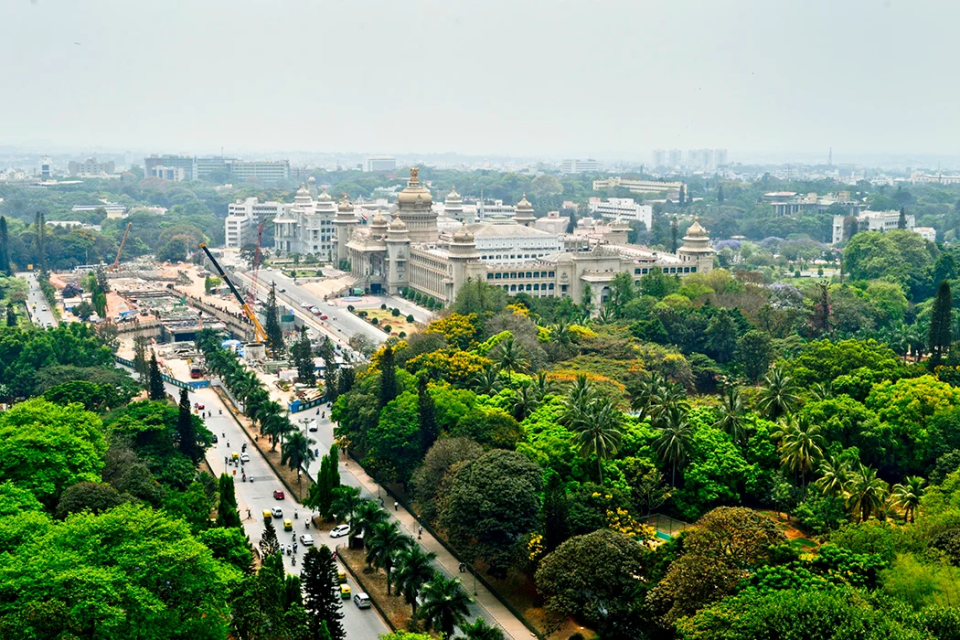
To mitigate the impact of future floods and enhance urban resilience, a range of innovative and strategic approaches are necessary. Developing parks, gardens, and green belts within urban areas can significantly reduce runoff and provide natural absorption of rainwater. These spaces can act as buffers, mitigating the flow of floodwaters into populated areas. Implementing permeable pavements in city planning can allow rainwater to seep into the ground, reducing surface runoff and decreasing the burden on drainage systems. This approach can be integrated into sidewalks, parking lots, and roadways. Planting trees and creating urban forests help absorb excess rainwater and stabilize soil, reducing erosion and the likelihood of landslides. Trees also provide shade and cooling, which can be beneficial in urban heat islands. Leveraging technology to develop advanced early warning systems can save lives. These systems can include weather forecasting models, real-time monitoring of water levels in rivers and reservoirs, and mobile alerts to inform residents of impending floods. Establishing clear communication channels to disseminate warnings to communities, including radio broadcasts, text messages, and social media updates, ensures that residents receive timely information to evacuate safely.
Conducting regular training sessions and emergency drills can prepare communities and local authorities to respond effectively to flood warnings, minimizing panic and ensuring orderly evacuations. Building homes on stilts or elevated platforms in flood-prone areas can protect residents and property from rising water levels. This architectural approach is especially useful in areas prone to both riverine and coastal flooding. Using water-resistant building materials and designs that allow for quick drying and minimal damage can make homes more resilient. Examples include raised electrical outlets and flood-resistant insulation. Implementing strict zoning laws to prevent construction in high-risk flood zones can reduce the exposure of homes and businesses to floodwaters. Raising awareness about flood risks and preparedness measures is critical. Educational programs can inform residents about evacuation routes, the importance of emergency kits, and safety measures during floods. Involving local communities in the development and implementation of flood management plans ensures that solutions are tailored to specific local needs and contexts. Community input can lead to more effective and sustainable practices. Establishing volunteer networks can enhance community resilience. Trained volunteers can assist in disseminating information, helping with evacuations, and providing first aid during flood events. Integrating flood resilience into urban planning involves designing cities with features such as elevated roads, flood channels, and retention basins that can manage and divert floodwaters. Ensuring that critical infrastructure, including hospitals, schools, and power plants, is built to withstand floods is essential. This may involve elevating buildings, reinforcing structures, and creating protective barriers. Incorporating flexible design principles that allow for adaptation to changing flood patterns can enhance long-term resilience. This includes creating multi-purpose public spaces that can serve as recreational areas during dry periods and flood retention areas during heavy rains.
As Eastern Africa contends with ongoing MAM rains and the looming threat of Cyclone Hidaya, the region faces a pivotal opportunity to rethink and revamp its urban management strategies. By embracing innovative approaches to infrastructure development, early warning systems, community engagement, and urban planning, Eastern Africa can build more resilient cities. These efforts will not only mitigate the impact of future floods but also safeguard the lives and livelihoods of millions, turning a crisis into a catalyst for positive and sustainable change.
Written by Wentland Muhatia