African Technology Policy Studies Network
Harvesting Confidence: Bridging the Digital Divide with Inclusive
Agricultural AI
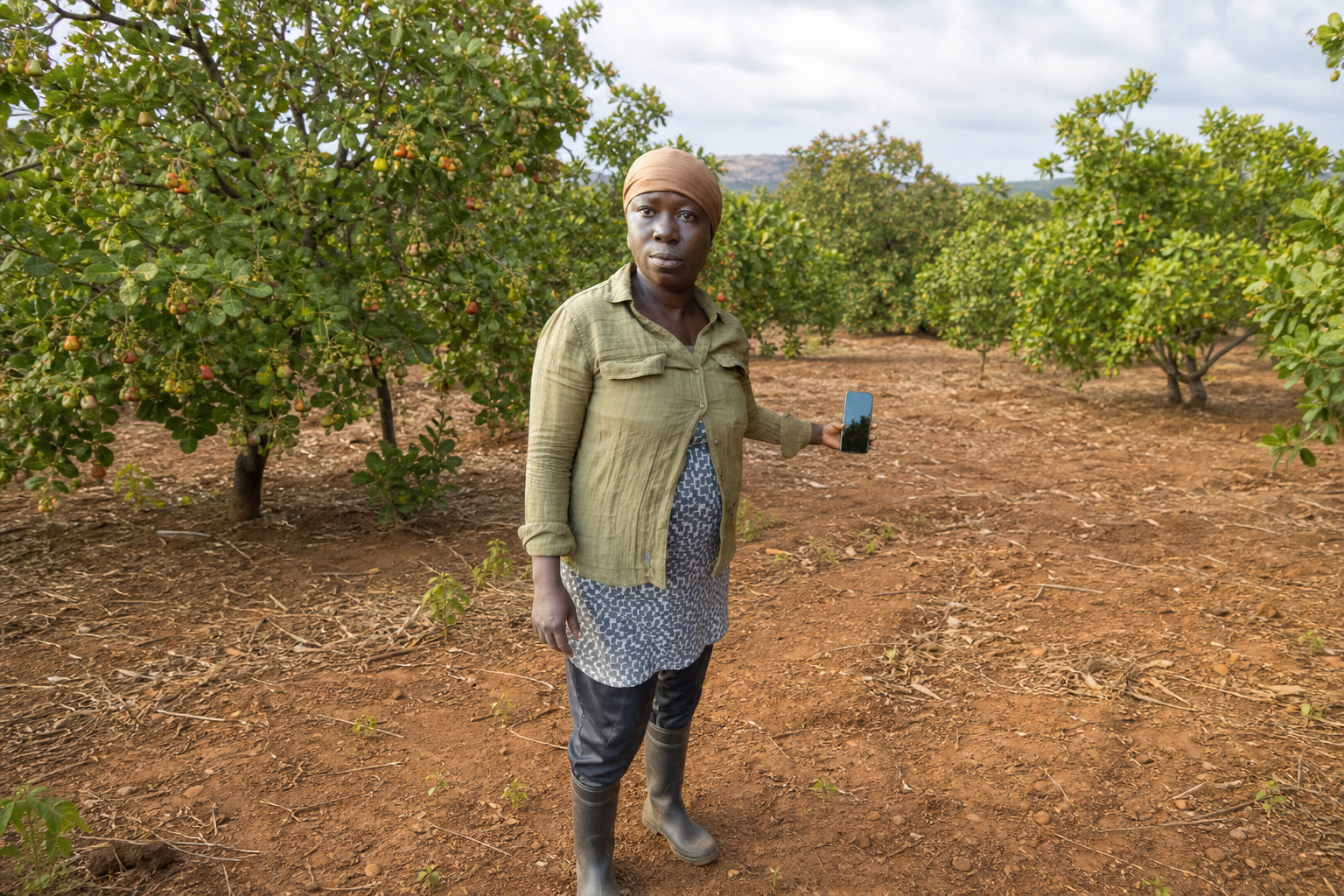
Imagine standing in your cashew grove at dawn. The harmattan dust is settling gently on the leaves, and for the first time in years, you feel a sense of peace. You know, truly know, that your harvest is safe. For Ataa Christiana, a farmer in Brodi, Ghana, that peace of mind no longer comes from waiting on an extension officer who may never arrive, or squinting at pesticide labels in a language she does not understand. It comes from a simple: tool in her hand: an AI-powered app that listens, diagnoses, and advises her in Twi, her native language. This shift from anxiety to assurance is transforming how farmers like Ataa protect their livelihoods.
This story illustrates the tangible impact of embedding local languages into agricultural technology across Africa. When digital tools communicate in familiar tongues, they unlock knowledge that was previously out of reach for countless smallholder farmers. The difference between loss and abundance often hinges on whether innovation speaks to people in ways they understand. Ataa's experience demonstrates what becomes possible when technology meets farmers where they are.
The AI-Driven Application for Crop Pest and Disease Detection has delivered real change by integrating Twi into its platform. Developed by African Technology Policy Studies Network (ATPS) Grantee Dr. Patrick Mensah, under the AI4AFS+ project (part of the AI4D Programme supported by the International Development Research Centre and the Foreign, Commonwealth and Development Office), the tool has turned uncertainty into confidence for farming communities in Brodi and beyond. Farmers who once watched crops fail due to delayed advice or misapplied pesticides now receive instant, comprehensible guidance that protects their harvests. This initiative shows that when research translates into accessible tools, entire communities gain the power to secure their food and their futures.
The High Cost of Inaccessibility
For Ataa, the uncertainty of farming once meant depending on others who were not always available to offer critical support during vulnerable growing periods. She recalls having to wait for an extension officer named Frimpong or rely on her neighbour Kojo whenever she noticed problems with her cashew trees, a process that could take days. In agriculture, timing is often the difference between a bountiful yield and total loss, yet the support system was frequently absent when she needed it most.
When her cashew seeds began turning black one season, five days of waiting ended in desperation, leading to a costly error that devastated her income. She mixed a pesticide, administered it, and lost more than half her harvest because the English-only label held dosage instructions she could not read.
This incident highlights a critical safety issue, as the World Health Organisation (WHO) has noted that improper pesticide handling in developing nations frequently leads to both economic loss and health hazards for smallholder farmers. This challenge extends far beyond Brodi, affecting countless regions where support structures are similarly fragmented and unreliable for most rural populations. According to the Food and Agriculture Organisation (FAO), the ratio of extension officers to smallholder farmers in sub-Saharan Africa can exceed 1:3000, leaving countless growers without timely guidance. When technical advice is delivered only in languages unfamiliar to them, the gap widens further, excluding those with vital indigenous knowledge but limited formal education. A report by the Global System for Mobile Communications Association on the mobile gender gap further indicates that language barriers remain a primary obstacle to digital adoption among women in rural areas, compounding the exclusion.
Bridging the Knowledge Gap
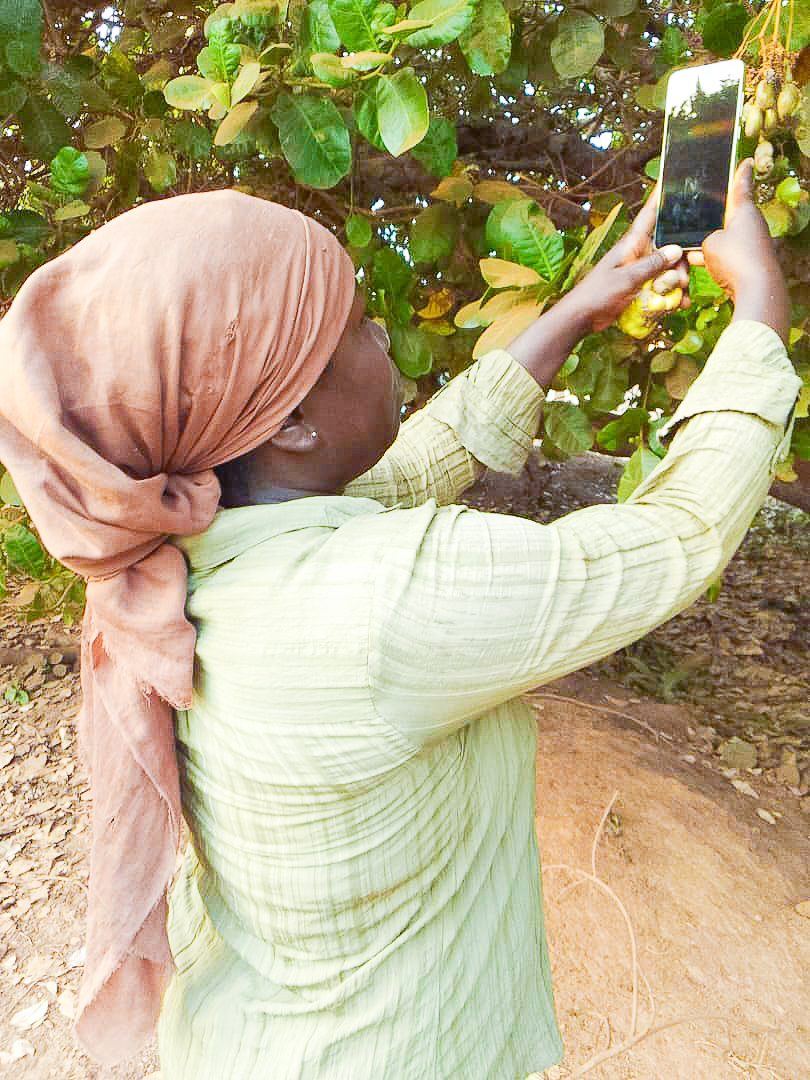
Now, with the app, Ataa diagnoses issues instantly in Twi and accesses preventive advice before flowering even begins, to ensure maximum protection for her crops. The tool allows her to take a photograph of an affected plant, after which the artificial intelligence model analyses the visual data and returns a diagnosis in her native tongue. This immediate feedback loop empowers her to make informed decisions without relying on external validation or waiting for scarce human resources to arrive. By shifting the power dynamic, the technology restores the farmer's agency and reduces the risk of catastrophic crop failure, thereby securing her family's livelihood. Consequently, she no longer faces the anxiety of helplessness when signs of disease first appear on her land.
While her story is featured here, early signals from the field suggest a growing network of farmers is similarly benefiting as awareness spreads through local cooperatives and e-kiosk attendants. Because the project remains active, comprehensive adoption figures are still being consolidated, yet the pattern of engagement is encouraging across the target regions. Farmers who once hesitated are now sharing the tool with neighbours, creating organic momentum across communities that traditional top-down approaches often fail to achieve. This peer-to-peer dissemination is crucial, as research on Information and Communication Technologies for Agriculture suggests that trust in technology is often built through social validation rather than top-down instruction. Such community-led adoption ensures that the technology remains relevant and useful long after the initial pilot phase has concluded.
Built by Us, For Us
This progress stems from deliberate, ground-up project activities led by the ATPS Grantee Dr Patrick Mensah under the AI4AFS+ initiative. The project prioritises the development of sovereign AI on the continent. Such funding structures ensure that the intellectual property and data sovereignty remain within African institutions rather than being extracted by external entities. This approach fosters long-term sustainability and ensures that the solutions are tailored to the specific socio-economic realities of the users. It also builds local capacity by training researchers to manage complex data systems independently.
To ensure the app understood crops like Ataa's, teams didn't rely on generic data. They collected over 13,000 images from Ghana's Bono, Bono East, Ahafo and Savannah regions; photos of real leaves, real pests, and real weather conditions. This means when Ataa snaps a photo, the AI isn't guessing based on foreign data; it's recognising her specific reality. This geographical diversity ensures the AI model is robust enough to handle varying climatic conditions and pest manifestations across different agro-ecological zones. Experts then labelled this dataset to ensure accuracy, while developers built functional app components including an early-warning detection system, location-specific management recommendations, privacy-protected usage tracking and weather-informed storage advice. The inclusion of privacy protections is vital, ensuring that farmer data is not exploited but rather used solely to improve service delivery and maintain trust. Furthermore, the system is designed to evolve as new pest patterns emerge due to changing climate conditions.
The Road Ahead: Language is Livelihood
As a result, farmers are embracing a tool that respects their language and livelihoods while providing tangible economic benefits throughout the growing season. Ataa's regained confidence is not an isolated outcome but a glimpse of what inclusive innovation can achieve when it is rooted in their lived experience and daily realities. The project demonstrates that when local researchers lead the development process, the solutions are more likely to address actual pain points rather than perceived ones. With the project still unfolding, the foundation is set for broader impact, one Twi-speaking farmer at a time. This model offers a blueprint for policymakers who seek to integrate artificial intelligence into national agricultural strategies without marginalising the most vulnerable producers.
The story of Ataa Christiana offers a clear directive for those shaping the future of agricultural technology across Africa. To software developers, data scientists, and policymakers: the next frontier of innovation is not just smarter algorithms, but deeper inclusivity. We ought to prioritise local language integration in every agricultural tool designed, funded, or regulated. Technology that fails to speak the farmer's native tongue erects walls where there should be bridges, silently excluding the very people who feed our nation.
It is insufficient to merely provide access to devices; we should ensure content within them is comprehensible to the end user. Policymakers can craft regulations and funding frameworks that mandate mother-tongue compatibility for both public agricultural extension and private-sector solutions. Developers need to move beyond urban testing labs and co-create with rural communities, ensuring interfaces reflect local dialects and cultural contexts. When we neglect this, we widen the digital divide, leaving smallholder farmers vulnerable to climate shocks and market exploitation. Conversely, when we centre indigenous languages, we restore dignity and agency to millions of rural households.
This is not merely a technical adjustment; it is a moral imperative for sustainable development. Imagine Ataa standing in her grove next season. The harmattan dust settles just as before, but the anxiety is gone. She holds her phone, speaks in Twi, and knows her harvest is safe. This is the future of African AI; not just smarter algorithms, but solutions that speak our language. Let's build a world where no harvest is lost simply because a warning was unreadable. By committing to linguistic diversity now, we plant the seeds for a more equitable agricultural revolution that leaves no one behind.